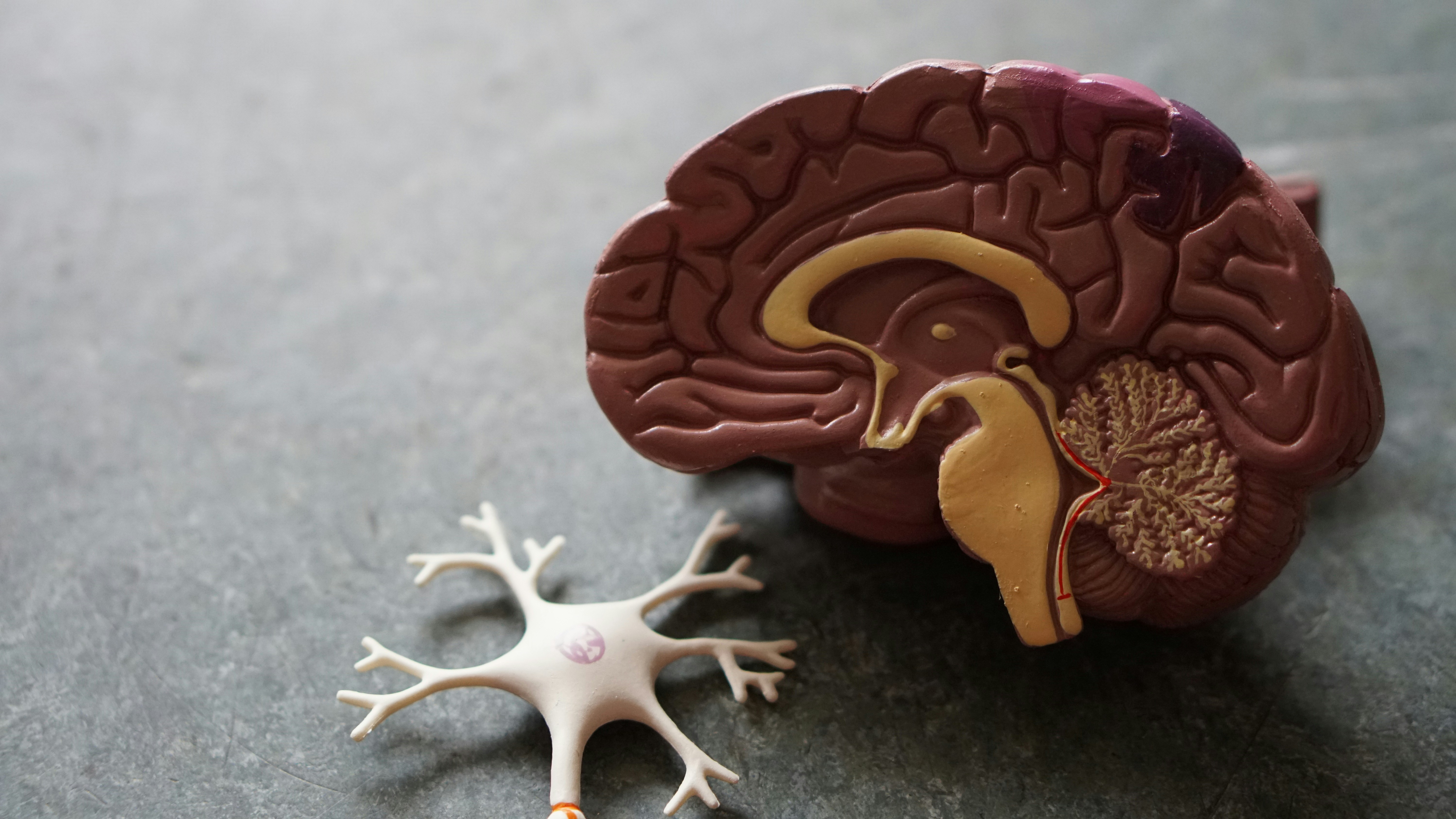
Much of brain injury is looking back at the injury itself. Trying to figure out what impact it had on the brain; what parts of the brain are affected; what symptoms developed from the injury; how to treat the symptoms and underlying condition of the brain. There is so much analysis and so much detail to consider. It doesn’t matter if it is a blow to the head, a stroke, or dementia, the similarities of therapies and treatments are because the common element is the brain itself. The treatment is determined by what can have the best outcome over the long term, which means we have to look forward to the future. This glimpse into the future can appear scary.
Brain injury results in neurodegeneration, meaning the brain is dying in the affected lobes. Diseases like dementia, MS, and Parkinson’s are all neurodegenerative diseases. There is no cure. The treatments are designed to manage symptoms and slow the progression of the disease.
Acquired brain injury that comes from a stroke or some other internal condition are treated to recover as much brain activity as possible and make lifestyle changes to avoid a recurrence. Medicines are used to reduce chances of the event from happening again. The affected sections of the brain, may rewire themselves to work around the damaged portions over time. It is a slow an agonizing process that requires work and an abundance of patience.
Traumatic brain injury from accidents or outside blows to the head are similar to that of acquired injuries in goals of treatment. Therapies are used to recover as much brain function as possible. Accommodations and strategies are used for areas which cannot be recovered. Rewiring and signals from one part of the brain to another may happen over time. TBI is when one part of the brain is dead, similar to a heart attack when a part of the heart is permanently damaged, the brain does not regenerate. So, depending on where the injury is the “recovery” is limited.
You have likely heard of chronic traumatic encephalopathy or CTE. Football players and other athletes get it from repeated blows to the head. Like other brain injuries, the damage from CTE is devastating. The appearance is similar to dementia with cognitive decline which can lead to death.
As the brain ages, it is common for it to shrink and soften. Those with brain injuries, however, are more likely to develop softening that affects their brains in significant ways that are degenerative. There are many types of dementia that are categorized by which sections of the brain are affected and even the kinds of softening are varied and complex.
Encephalomalacia is the term for cerebral softening. There three forms of softening, white, red, and yellow.
- White tissue is in areas where there is little to no blood flow. These sections contain dead neuronal tissue.
- Red tissue is when blood is restored to an area that was previously without. That tissue is softening.
- Yellow tissue is where there is plaque build-up in the brain which softens over time.
For us, Bill’s encephalomalacia is white tissue. The part of his frontal lobe that was damaged in the accident is dead, and the white tissue around the injury is now softening. This causes neurodegeneration in the areas of his brain around his frontal lobe. His doctor is trying to slow the progression with medicine and we are continually assessing cognition for any changes.
Brain injury affects not only the past of the patient, but also their future. Since we have to constantly be looking back at where the injury occurred, we don’t always look at what is ahead. Survival mode is real and that requires a one-day-at-a-time mindset. Plus looking towards the future with brain injury is not a rosy picture. It is much preferred, by me at least, to enjoy what we have now and let the future work itself out.
Still, there is something to be said for recognizing what is coming down the road. I believe it is possible to prepare for what might happen without sinking into the dark abyss of the unknown outcomes. My faith teaches me to have hope. To believe God’s working. To know that I am cared for and loved even in hard places. I have never found this to be anything but true and so I continue to believe for the best outcome and pray for strength to endure no matter what comes.
Disclaimer: I have a very limited understanding of the brain. I have pieced together what I know from doctors, Bill’s tests and reports, and online research. I have googled lots of definitions of words I cannot pronounce. I have shared my lay person understanding in this series of blogs…however, I may not be accurate in every instance. For more in depth information you should talk to your doctor and may want to do your own further research. 🙂
 Michelle's Mosaic
Thanks again, Michelle for your offering to us. Your next-to-the-last paragraph resonated with me, in particular, regarding the unknown outcome. -That was certainly the case with our daughter’s cancer and her strong faith throughout. – We don’t have a crystal ball. Thank God He has been with us all along.
Amen to that!